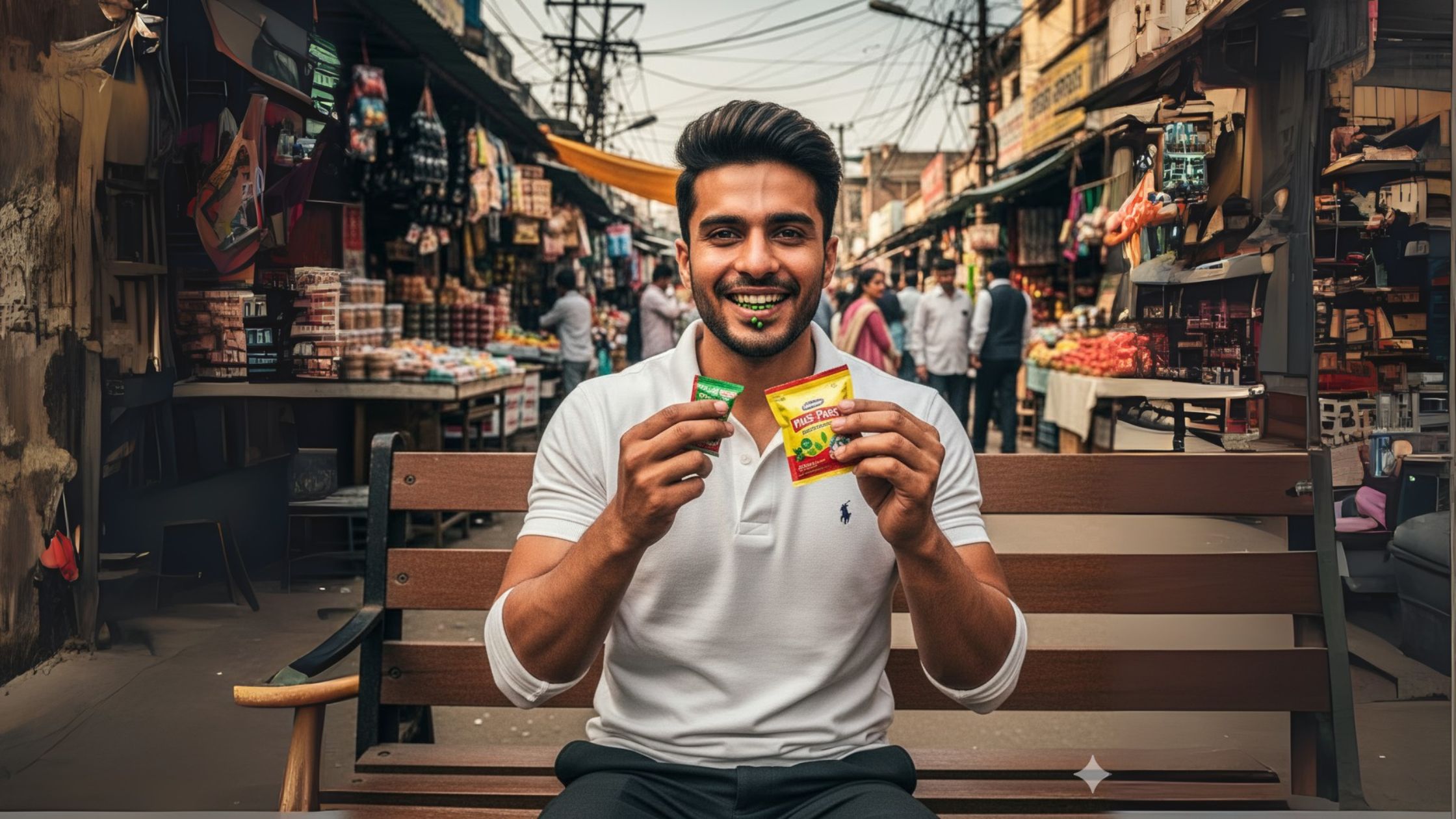


Some habits never fade. In India, after a hearty meal, there’s often a pause — then comes the clink of a small bowl or the rustle of a packet. Out come the mouth fresheners. It’s a ritual as common in a wedding banquet as it is in a family’s dining room.
From the crunch of roasted fennel seeds to the sweetness of sugar-coated anise, every variety carries a story. For some, it’s nostalgia — remembering childhood visits to the corner shop. For others, it’s simply a refreshing end to the day.
Why They Matter
- A Daily Comfort
Life is fast, but these tiny bites of flavour offer a moment of calm. They’re portable, simple, and always satisfying. - A Gesture of Respect
In many households, offering a mouth freshener to a guest is as important as serving tea. It’s a way of saying, “We value your company.” - A Bridge of Generations
Grandparents may prefer classic blends, while younger people experiment with fruity or fusion flavours. Yet both are enjoying the same tradition, in their own way.
The FMCG Factor
Mouth fresheners are more than a cultural habit — they’re also a big part of India’s FMCG landscape. Their success comes from three things:
- They’re affordable and accessible to everyone.
- They turn fast, meaning they sell quickly and often.
- They’re constantly evolving, with packaging and flavours that keep up with changing lifestyles.
Looking Forward
As tastes change, so do the products. We now see herbal blends, sugar-free options, and eco-friendly packaging entering the space. But the heart of it remains the same — a little burst of flavour, rooted in tradition, enjoyed by millions.
In a country as diverse as India, very few things connect people across states, languages, and generations. Mouth fresheners are one of those rare threads. Small, simple, yet deeply meaningful — they remind us that even the tiniest traditions can carry the biggest flavours of life.